It’s finally here and it features the chapter “Folk material transformations and elaborations in A Vida é Nossa“, written by me. It is published by IRCAM/Centre Pompidou and Editions Delatour. You can buy it here.
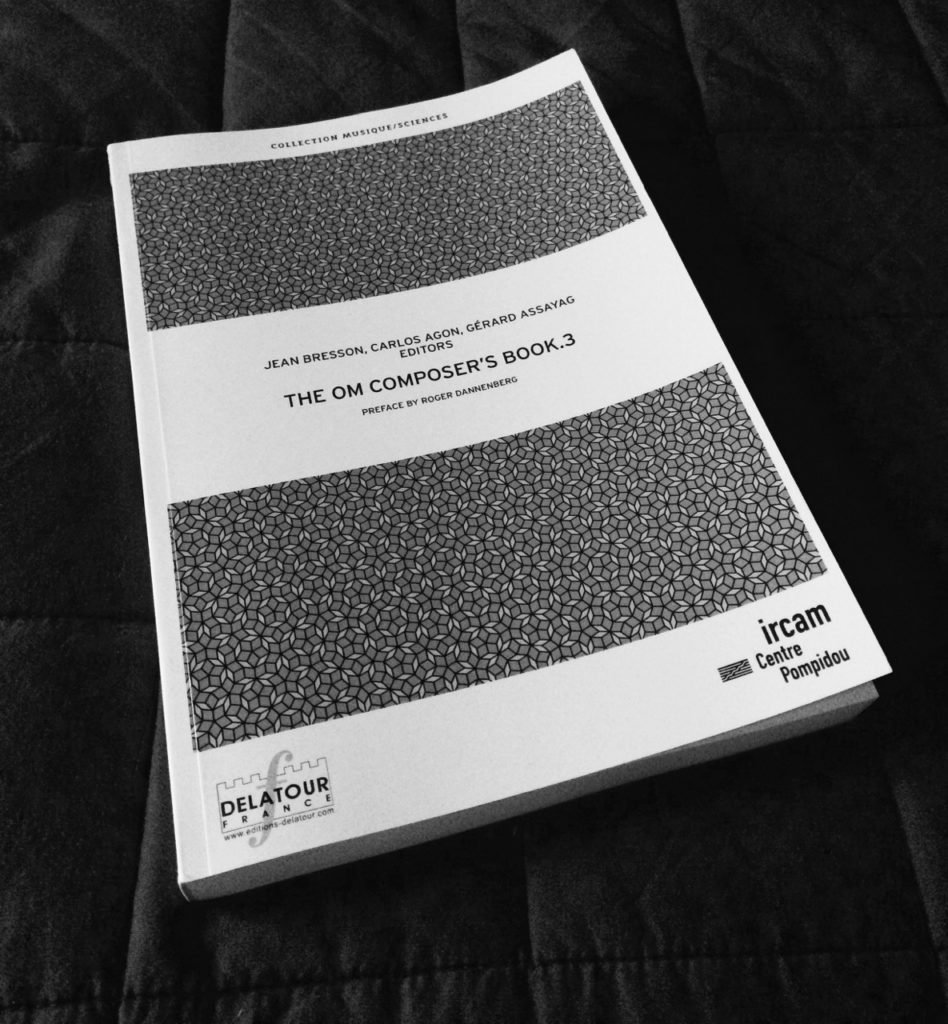
It’s finally here and it features the chapter “Folk material transformations and elaborations in A Vida é Nossa“, written by me. It is published by IRCAM/Centre Pompidou and Editions Delatour. You can buy it here.
Very honoured and happy to take part in London Symphony Orchestra’s Panufnik Composers Scheme 2016. After having been shortlisted I’ll be allowed to experiment over time and work towards creating a new short orchestral piece to be publicly rehearsed on the 20 April 2017.
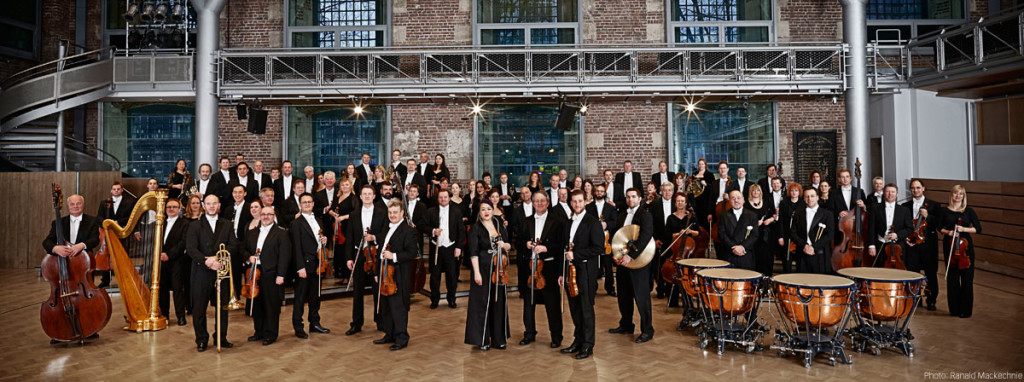
New song for the Portugal-based Ensemble mpmp featuring two singers, to be premiered on the 30th of September 2015 at Calouste Gulbenkian Foundation, Lisbon, Portugal. The text is from a medieval (13th century) poem by Rui Pais de Ribela, an Iberian troubadour who allegedly took part in Afonso X’s court meetings.
DE ESCÁRNIO E MALDIZER
Four medieval poems recreated by four contemporary composers
Festival Prémio Jovens Músicos (Young Musicians Prize) 2015
Music Hall of Fundação Calouste Gulbenkian, Lisbon, Portugal
30 September 2015, 7pm
Marina Pacheco, soprano
André Baleiro, baritone
Ensemble MPMP
Jan Wierzba, conductor
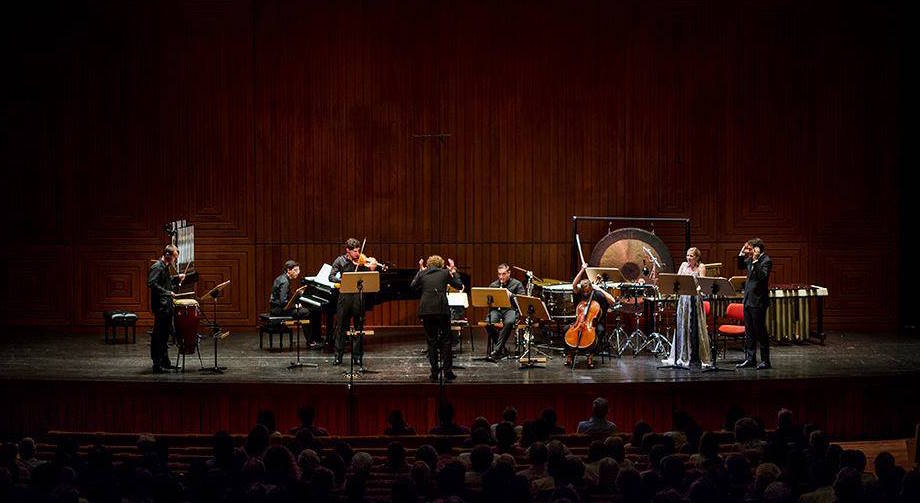
3rd of June, 11:30am, Lecture Recital Room, Guildhall School of Music and Drama, London, UK
Algorithmic Composition: telling the human story about composing with computers
Composition algorithms have been around probably since the first attempts at organizing sound. The term, nevertheless, is usually reserved for the use of automated procedures to compose music. Implying the use of machinery, these procedures are older than is generally realised: the Aeolian harp (a wind-driven harp first described by Athanasius Kircher in 1650) and wind chimes being two of the most ancient, striking examples, and Mozart’s Musikalisches Würfelspiel, a dice game for assembling minuets, being the most famous. With the invention of computers in the twentieth century, new and fascinating possibilities arose, fostered by the unprecedented calculation speed. Lejaren Hiller’s Illiac Suite (1956) — generally regarded as the first computer-composed composition — can be said to have started a tradition that is now more than half a century old.
Nowadays, composers using automated methods usually go to great lengths describing their underlying principles, producing a substantial amount of literature that is still accumulating. This presentation gives a personal account — by unveiling ongoing creative research — on the less-featured discussion dealing with the need for actively taking decisions and carrying manual interventions. These aesthetic decisions can many times embody rebellion against excessive algorithm-bound formalism. Most composers using algorithmic methods would acknowledge those actions — as well as leaving space for imaginative, perhaps more spontaneous, procedures — but would seldom discuss them. In this line of thought, programming the computer is, after all, not sufficient to create a musical work because non-programmable aspects such as creativity, imagination and spontaneity are valuable elements that cannot be left out of the creative process. Learning to integrate these topics could bring this somewhat remote field closer to the core of the composing craft.